Training and qualifications in the UK
How to Choose a Construction NVQ Course
7 November 2026
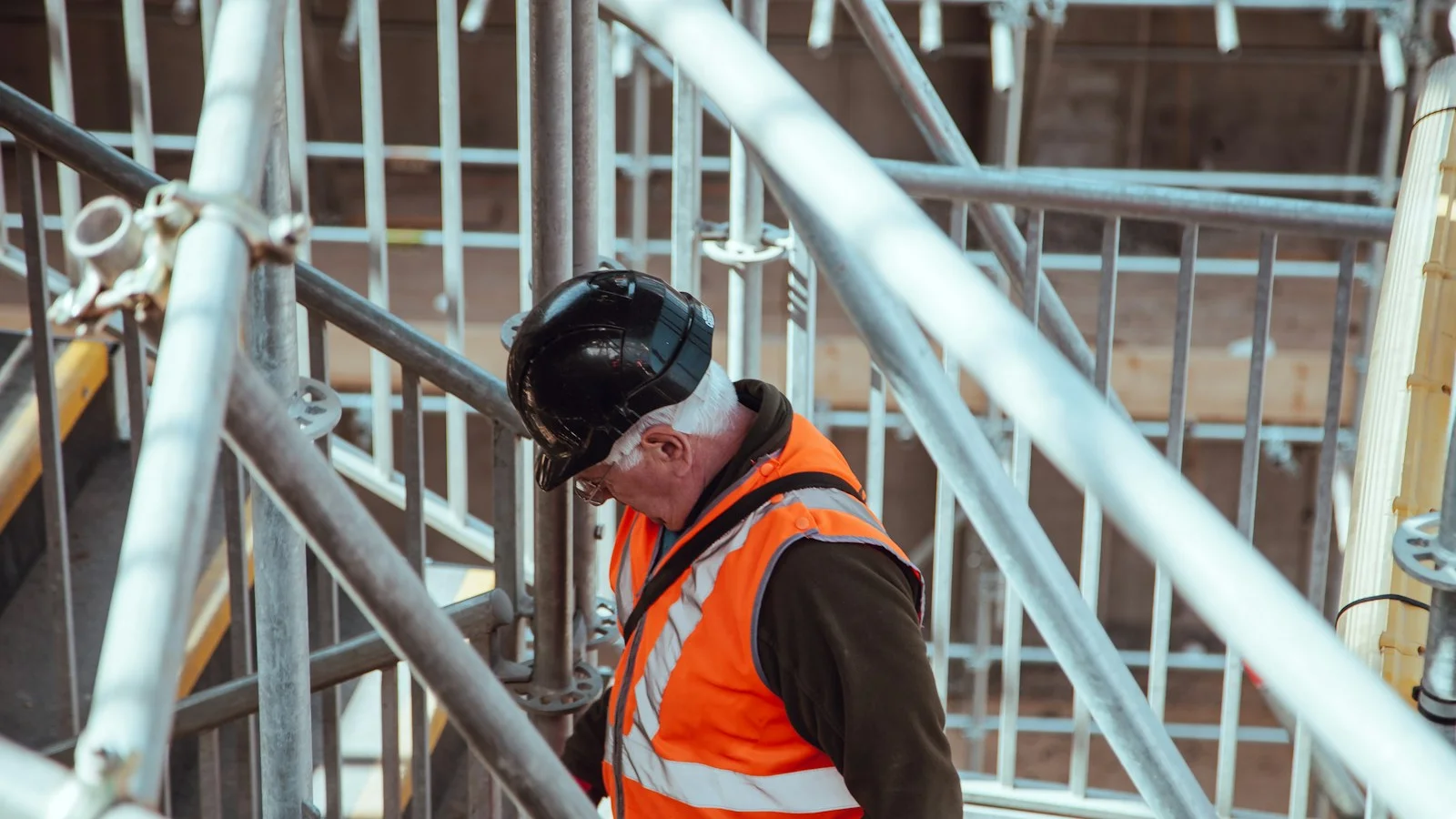
How to choose a construction NVQ course comes down to four checks: the level that fits the job you do now, a listing on the official register, an assessment centre you can trust, and a full price in writing. Get those right and you won’t pay for a qualification that doesn’t lead to the card or role you’re after.
Quick answer: To choose a construction NVQ course, match the level to the work you do now, find the exact qualification on the Ofqual register, ask which awarding organisation stands behind the centre, and confirm it leads to the CSCS card you need. Get the full price in writing before you pay.
Key Takeaways
An NVQ assesses work you’re already doing, so you need a job where an assessor can see that work.
A construction NVQ at level 2 can support a Blue Skilled Worker card, and level 3 a Gold Skilled Worker card.
Ofqual regulates the qualification in England. CITB sets the sector’s assessment strategy but isn’t the regulator.
Every CSCS card also needs the right CITB Health, Safety and Environment test.
Compare the whole price, including registration, assessor visits and the certificate.
Understanding NVQ Construction Qualifications in the UK
A construction NVQ (National Vocational Qualification) shows you can do a job to the required standard. It’s based on National Occupational Standards, which describe the competence a job role needs, and most of the evidence comes from your real work.
In England, Ofqual regulates these qualifications and the awarding organisations that issue them. Wales and Northern Ireland have their own regulators, and Scotland uses SVQs (Scottish Vocational Qualifications) rather than NVQs. CITB is the construction sector’s standards setting body and writes the assessment strategy that awarding organisations follow.
Construction NVQ Levels Explained
Knowing the levels is the first step in choosing a course. Construction NVQs run from level 2 up to level 7, and the right one depends on your role:
Level 2: Skilled trade work, such as trowel occupations or roofing. CSCS accepts a construction-related level 2 NVQ for its Blue Skilled Worker card.
Level 3: Advanced trade work, or work supervision. It can support the Gold Skilled Worker card, or the Supervisor card if it’s a supervisory or technical NVQ.
Levels 4 to 7: Site supervision, site management and senior management. The Manager card accepts relevant management or technical NVQs at levels 4 to 7.
Choosing the right level matters. Too low and it may not get you the card or role you want. Too high and you may struggle to show the evidence, because your job doesn’t give you the responsibility that level expects.
Who Sets the Standards for Construction NVQs?
Three different bodies are involved, and adverts often blur them. The awarding organisation issues the certificate, the regulator oversees that organisation, and the assessment centre works with you on site. Pearson and Cskills Awards, part of the NOCN Group, are two awarding organisations on Ofqual’s list. The name on your course should match the register entry for the qualification.
How to Choose a Construction NVQ Course: The Step-by-Step Approach
Work through these four steps before you hand over any money.
1. Assess Your Experience and Career Goals
Start with your current job, the skills you use each day and where you want to go next. A bricklayer with years on site may be looking at a level 2 or level 3 trowel occupations NVQ, while a site supervisor might need level 3 or 4. Your goal, whether that’s a CSCS card, a move into supervision or formal proof of your skills, will guide your choice.
2. Check Construction NVQ Course Requirements
The main requirement is experience. CITB’s own assessment service, for example, is aimed at people with years of construction experience but no qualification, and it uses a questionnaire to confirm your experience before assessment starts. Ask any provider how it checks that you’re suitable, and don’t enrol until it has.
Higher levels expect you to be doing that level of work. If you aren’t supervising anyone yet, a supervisory NVQ will be hard to complete. CSCS also has an Experienced Worker card for people who are experienced in their job and have registered for a qualification, so ask whether that applies to you.
3. Compare NVQ Providers in the UK
Ofqual doesn’t accredit training centres. It regulates awarding organisations, and those organisations work with assessment centres. Ask which awarding organisation the centre works with, then confirm it with that organisation. A good provider should offer:
A clear plan for assessor visits at your workplace
Assessors with current experience of your trade
Help with recording and organising your evidence
A written price and payment terms
Reviews from other learners that you can check yourself
4. Consider Location and Learning Format
Assessment usually happens at your place of work, so the location of a provider’s office matters less than whether its assessors cover your area and your trade. Ask how often they can visit, and whether visits can fit around your shifts.

NVQ Assessment Process for Construction Explained
Most people want to know what the assessment involves before they commit. An assessor watches you work, looks at evidence such as photographs, drawings and witness testimony, and asks questions in a professional discussion. Our guide to on-site NVQ assessment walks through what happens on each visit.
How Long Does a Construction NVQ Take?
It depends on the level, the trade and how quickly you can show the evidence. As a published example, CITB’s National Construction College says to expect three to six months from your first visit for its level 2 and 3 trade qualifications, and 9 to 12 months for its supervisory and management qualifications. Other providers will differ, so ask for their own timescale.
Common Challenges in NVQ Construction Courses
A few problems come up again and again, so ask how a provider would help with each one:
Gathering the right evidence from your daily work
Understanding the wording of the standards
Finding time to meet your assessor around shifts
Moving between sites, which can make observation harder to plan
A provider that can answer those questions clearly is likely to be easier to work with once you’ve started.
Comparing Construction NVQ Course Features and Costs
Use this table to compare the courses on your shortlist.
Feature | What to Look For | Why It Matters |
|---|---|---|
Regulation | The exact qualification on the Ofqual register | Shows it’s a regulated qualification |
Card route | Accepted for the CSCS card you need | Not every qualification suits every card |
Assessment | A plan for visits to your workplace | Needs to fit around your work |
Support | Clear guidance on recording evidence | Helps you avoid delays |
Cost | One written figure covering everything | Avoids surprise charges |
Coverage | Assessors for your area and trade | Makes visits easier to arrange |
Cost varies with the trade, level and provider. As a published example, CITB’s National Construction College listed level 2 trowel occupations at £799, level 3 at £1,200 and level 7 senior management at £2,499 when we checked in November 2026. That’s one provider’s list, not a market average, so ask each provider what’s included and whether VAT is on top.
The Benefits of Completing a Construction NVQ
A relevant NVQ gives you formal proof of what you can already do, and it can open the way to a CSCS card. It won’t get you a card by itself. CSCS says applicants must also pass the right CITB Health, Safety and Environment test, and for skilled worker cards that test must be within the last two years.

If you have a question, get in touch with our team.
There is more advice on our blog.
Frequently Asked Questions
What is the best way to choose a construction NVQ course?
Match the level to the work you do now, check the qualification on the Ofqual register, ask which awarding organisation the centre works with, and get the full price in writing.
How do I know which construction NVQ level to choose?
Look at your daily tasks and responsibilities. Level 2 suits skilled trade work, level 3 suits advanced trade work or supervision, and levels 4 to 7 suit supervisors and managers. A provider should confirm the level before you pay.
What are the main differences between NVQ providers?
Providers differ on price, what the price includes, how often assessors visit and which trades they cover. Check the awarding organisation they work with, then compare the rest.
Can I do a construction NVQ course while working full-time?
Yes. Assessment is based on the work you already do. CITB’s own service, for example, says you don’t need time off, because assessors see you at work.
Does a construction NVQ automatically get me a CSCS card?
No. You apply to CSCS separately, and you also need to pass the right CITB Health, Safety and Environment test. Use the Card Finder on the CSCS website to see which card and test apply to you.
For the official record of any qualification, search the Register of Regulated Qualifications on GOV.UK.
Once you have a level and a provider in mind, run them through our guide to checking a course before you pay.
Other guides on this site:
what equality impact assessment training should cover
where to start when learning to sew as an adult